


A water leak inside a wall often starts small but can quickly cause major issues such as mould growth, damp plaster, and structural damage. Detecting it early reduces repair costs and helps maintain your home’s safety and value.
Hidden leaks are usually the result of damaged or corroded pipes, loose fittings, or high water pressure. While some signs are visible, others require specialised tools and experience to confirm.
This guide explains how to identify, locate, and respond to a water leak inside a wall, along with when to call in professional help. Insights are informed by the team at DCM Plumbing, experienced leak detection specialists based on the Gold Coast.
Signs of a Hidden Water Leak
To identify a leak inside a wall, look for visible changes such as discolouration, dampness, or musty smells. These early warning signs often appear before major damage occurs and can help narrow down the source of the problem.
Common indicators include:
- Wet patches or peeling paint – moisture trapped behind the wall causes paint and plaster to bubble or flake.
- Mould or mildew growth – persistent dampness encourages fungal growth, especially around skirting boards and corners.
- Musty or damp odour – a consistent smell of moisture or decay suggests hidden water absorption.
- Dripping or hissing sounds – noise behind the wall can indicate water escaping from pressurised pipes.
- Unexplained rise in water bills – a hidden leak often causes a steady increase in consumption.
- Warm spots on walls – for hot water systems, localised heat may point to a leaking pipe.
If you notice one or more of these signs, there’s a strong chance water is escaping inside your wall cavity and should be investigated promptly.
Common Causes of Wall Leaks
| Cause | Example / Explanation |
| Burst or cracked pipes | Common in older homes with copper or galvanised pipes that have weakened over time. |
| Loose fittings or joints | Often occur behind sinks, showers, or toilets where connections loosen through vibration or age. |
| Corrosion | Long-term exposure to minerals in the water supply gradually weakens pipe integrity. |
| Water hammer | Pressure surges from sudden valve closures can create small fractures in pipes. |
| Faulty waterproofing | Poor sealing behind bathrooms or kitchens allows water to leak into surrounding walls. |
Understanding the cause helps determine whether the issue requires a minor repair or full pipe replacement, which is why accurate diagnosis is essential before beginning any wall repairs.
Step-by-Step Leak Detection Tips
Follow these steps to locate a hidden leak:
- Turn off all water fixtures – make sure no taps, appliances, or irrigation systems are running.
- Check the water meter – if the dial is still moving when no water is being used, there’s a leak somewhere in the system.
- Inspect walls and ceilings – look for bubbling paint, damp patches, or discolouration.
- Listen for hissing or dripping sounds – quiet areas like behind sinks or near bathrooms are good places to start.
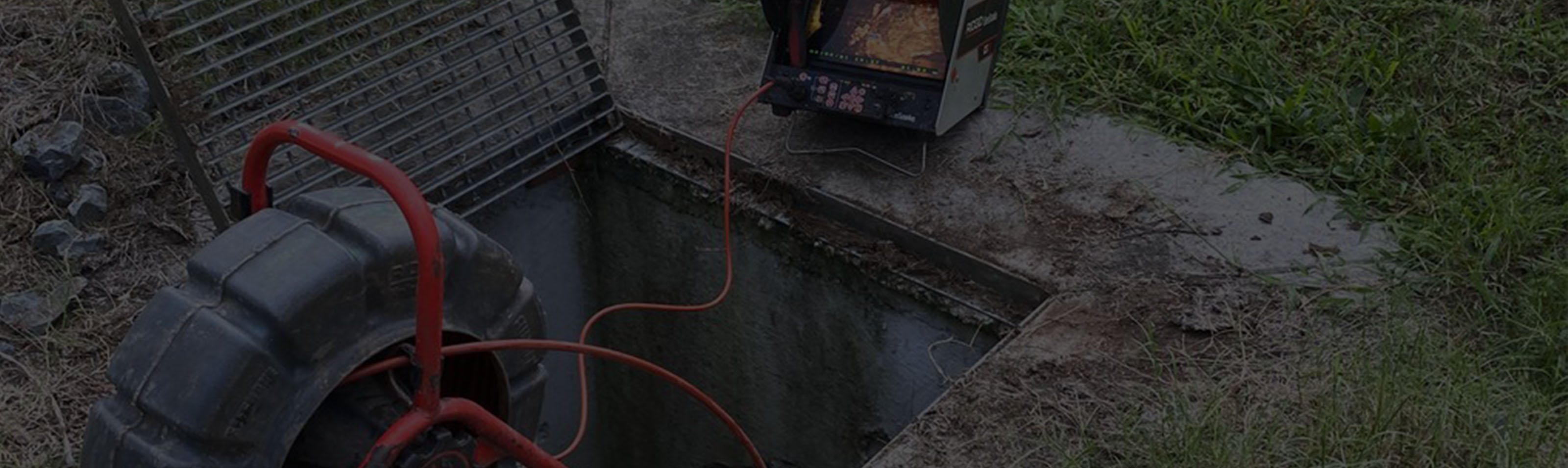
- Call a professional plumber – if you can’t pinpoint the source, experts such as DCM Plumbing use specialised leak detection equipment to find leaks accurately without damaging walls.
If there’s moisture or mould appearing but no obvious source, that’s usually a sign the problem is inside the wall cavity and needs professional assessment.
Avoid cutting into walls or attempting DIY repairs. Without the right tools, it’s easy to damage pipes, wiring, or structural materials, which can make the issue worse and more expensive to fix. Professional plumbers use non-invasive methods to find and repair leaks safely and efficiently.
What Happens If You Don’t Fix It
Ignoring a water leak inside a wall leads to mould growth, electrical hazards, and costly structural damage. Even a slow, hidden leak can cause significant problems over time if left untreated.
Consequences of an untreated wall leak may include:
- Damage to plaster, insulation, and timber framing – water weakens structural materials and can lead to rot or collapse.
- Mould and bacteria growth – damp conditions encourage mould spores, which can cause respiratory and skin issues.
- Electrical short circuits – moisture spreading through wall cavities increases the risk of electrical faults and fire hazards.
- Higher water bills and wasted resources – continuous leaks add unnecessary costs and waste clean water.
When to Get Expert Help
Contact a plumber as soon as you notice persistent dampness, visible wall damage, or a sudden spike in water bills. Hidden leaks worsen quickly, and delaying repairs can lead to extensive water damage, mould growth, or electrical risks.
Professional plumbers have the right equipment to locate leaks accurately without unnecessary demolition. They can confirm the source, repair the damage, and help prevent future issues.
Need Help Finding a Leak in Your Wall?
For fast, reliable service, the team at DCM Plumbing provides expert leak detection across the Gold Coast, using advanced non-invasive methods to identify hidden leaks and repair them efficiently. Their experienced plumbers are known for prompt response times, clear communication, and quality workmanship.
Contact our team today to locate and fix wall leaks before they cause major problems. Reliable service, clear communication, and guaranteed workmanship.