

Water bills are one of those household expenses that can be difficult to judge. If your latest bill seems higher than usual, you may be wondering whether you are simply using more water or whether something else is going on.
So, what is the average water bill on the Gold Coast? There isn’t one official average dollar amount that applies to every Gold Coast household. Your bill depends on fixed water and sewerage charges, how much water your household uses and the applicable water usage rates.
For broader context, Canstar Blue’s latest published water bill survey, conducted in January 2024, found Queensland households reported an average quarterly water bill of $235, compared with an Australian average of $217. These are survey averages rather than current Gold Coast tariffs, so your actual bill may be quite different.
A more current local benchmark is how much water Gold Coast residents are actually using. According to Seqwater, Gold Coast residential water consumption averaged 168 litres per person per day during the 28-day period ending 29 July 2026.
How Is Your Gold Coast Water Bill Calculated?
The City of Gold Coast currently issues four water bills each year, generally after your water meter has been read.
A residential Gold Coast water bill includes three main types of charges:
- Water access charge – a fixed charge for your property’s access to the City’s water supply infrastructure, whether or not you use any water.
- Water usage charge – a variable charge based on the amount of water recorded by your meter. This is split between the State Government bulk water charge and the City’s cost of distributing water to your property.
- Sewerage access charge – a fixed charge for access to the City’s sewerage network, regardless of how much sewage the property discharges.
You can find the current breakdown and an explanation of each charge on the City of Gold Coast water bill page.
What Is the Gold Coast Water Usage Rate in 2026?
Water usage charges on the Gold Coast have two components: the State Government bulk water price and the City of Gold Coast’s distribution and retail component.
For the 2026–27 financial year, the State Government bulk water price in South East Queensland remains at $3.517 per kilolitre.
The Queensland Government announced a two-year freeze on SEQ bulk water prices from 2026–27, meaning this part of the water price has not increased from the previous financial year.
The City of Gold Coast separately sets the amount charged for delivering water through its local network. Because Council water and sewerage charges can change between financial years, your current water notice or the City’s latest pricing information is the best source for the exact amount applying to your property.
How Does the Average Queensland Water Bill Compare?
There is no perfect comparison between water bills in different parts of Australia because water authorities use different pricing structures and households use different amounts of water.
However, the latest published Canstar Blue survey found that Queensland respondents reported an average quarterly water bill of $235 in January 2024. The reported Australian average was $217 per quarter.
These figures are useful as a broad benchmark, but they should not be confused with the current Gold Coast water tariff. Your Gold Coast bill includes local access charges, sewerage charges and consumption charges specific to your property.
How Much Water Does the Average Gold Coast Resident Use?
| Area | Average Daily Residential Water Use |
|---|---|
| Gold Coast | 168 litres per person per day |
| South East Queensland | 156 litres per person per day |
| Gold Coast – same period in 2025 | 167 litres per person per day |
This means Gold Coast residents were using slightly more water than the South East Queensland average during the latest reporting period, while local consumption was almost unchanged compared with the same period in 2025.
Keep in mind that household water use can change considerably throughout the year. Hot weather, rainfall, gardens, swimming pools, visitors and the number of people living in your home can all affect your consumption.
Why Is My Water Bill Higher Than Usual?
If your bill has increased noticeably, it doesn’t necessarily mean water prices have suddenly jumped. Often, the difference comes down to how much water has been used during the billing period.
Common causes of a higher water bill include:
- more people staying or living in the property
- watering gardens more frequently
- topping up a swimming pool
- increased shower or bath use
- running washing machines or dishwashers more often
- irrigation systems using more water than expected
- leaking taps or toilets
- a hidden or underground water leak.
The difference can add up quickly. The City of Gold Coast estimates that an average garden hose or household tap uses around 25 litres per minute. Leaving one running for an hour could use around 1,500 litres of water and add approximately $7.47 to a bill.
If your usage has jumped without an obvious explanation, have a look at our guide to 8 possible reasons for a high water bill.
How Can I Reduce My Water Bill?
You can’t avoid fixed water and sewerage access charges, but you can reduce the part of your bill that is based on consumption.
Some simple ways to use less water include:
- Fix leaking taps and toilets. Even a small leak can waste water continuously throughout the day.
- Take shorter showers. Cutting a few minutes from each shower can make a noticeable difference across an entire household.
- Use water-efficient fixtures. Look for taps, showerheads, toilets and appliances with good WELS water-efficiency ratings.
- Only run full loads. Wait until your dishwasher or washing machine is full where practical.
- Turn the tap off. Don’t leave water running unnecessarily while brushing your teeth, shaving or cleaning.
- Check your irrigation system. Broken sprinklers, damaged irrigation lines and unsuitable watering schedules can waste a surprising amount of water.
- Keep an eye on your meter. Regular meter checks can help you spot unexpected changes before your next bill arrives.
Seqwater also provides practical water-wise tips for households across South East Queensland.
How Do I Check for a Hidden Water Leak?
If your water consumption has increased but your household habits haven’t changed, a leak is worth investigating.
The City of Gold Coast recommends a simple meter test:
- Turn off all taps and water-using appliances in and around your property. Make sure nobody uses the toilets during the test.
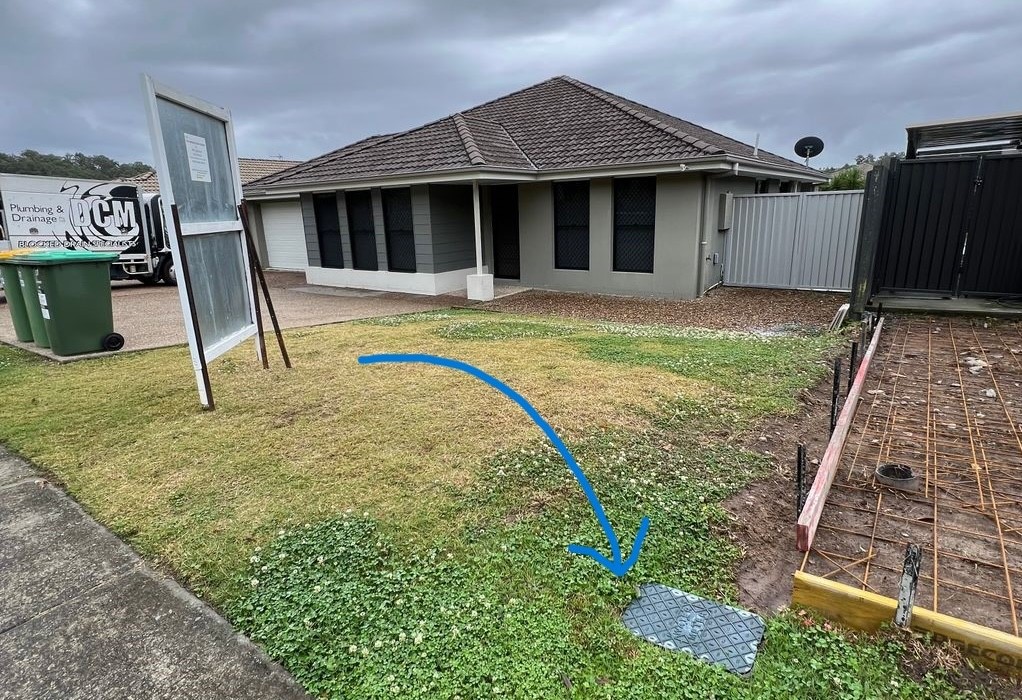
- Find your water meter and record the meter reading or take a photo.
- Avoid using any water for at least one hour.
- Check the meter again. If the reading has changed, water is still passing through the meter and there may be a leak.
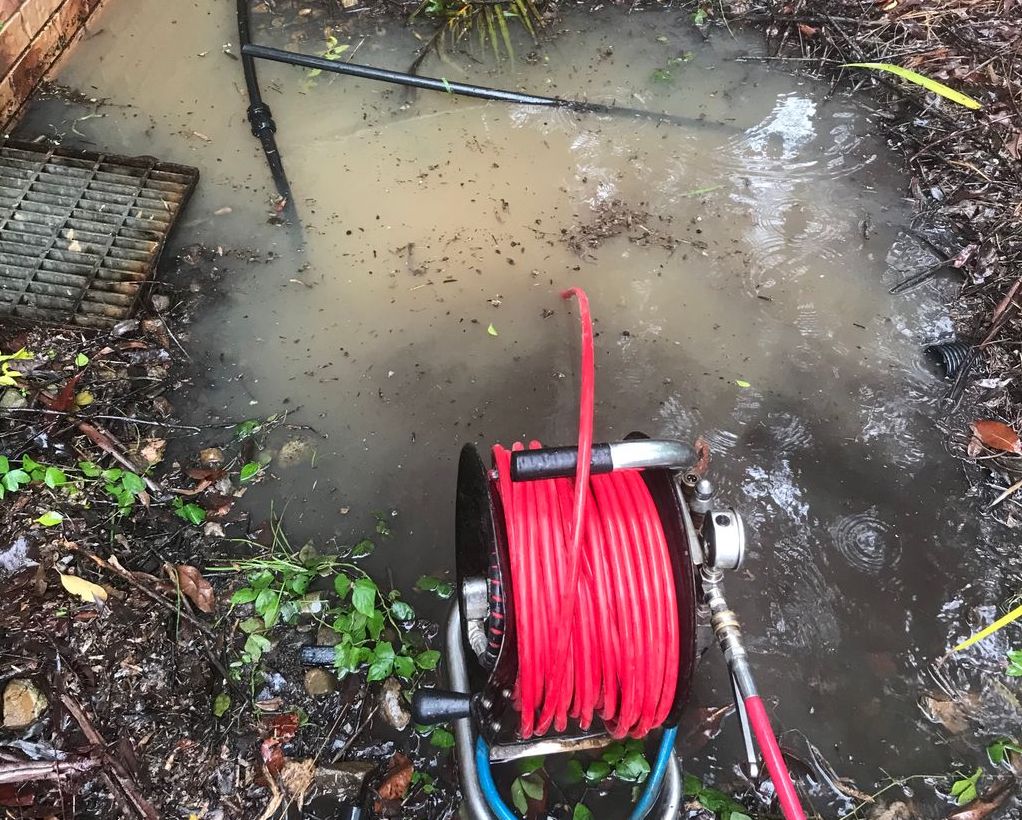
A slow or intermittent leak may not always be obvious during a short test. Other warning signs include damp areas, unusually green patches of lawn, low water pressure, running toilets, dripping sounds or unexplained moisture around walls and floors.
If you suspect a hidden leak, our Gold Coast leak detection plumbers can investigate the source and recommend the appropriate repair.
Can I Get Relief on a High Water Bill Caused by a Leak?
In some circumstances, yes.
The City of Gold Coast offers a concealed water leak remission for eligible residential and small business customers.
The scheme applies to specific types of concealed leaks and has eligibility requirements. For example, the leak generally needs to be in the property’s underground main water supply pipe, must be repaired promptly by a Queensland licensed plumber and must meet the City’s other eligibility criteria.
Leaks from toilets, taps, pools, irrigation systems and other plumbing fixtures are not generally eligible under the concealed leak remission scheme.
If DCM Plumbing repairs an eligible concealed leak, we can provide the repair and meter information required to support your application.
Who Pays the Water Bill, Landlord or Tenant?
Queensland’s rental water-charging rules distinguish between water usage and the fixed costs of providing water and sewerage services.
Under a general tenancy agreement, a property owner or manager can pass the full water consumption charges on to a tenant where all of the following requirements are met:
- the property is individually metered, or water is delivered by vehicle
- the property meets Queensland’s water-efficiency requirements
- the tenancy agreement states that the tenant must pay for water consumption
- the tenant is provided with a copy of the water consumption bill within four weeks of the property manager or owner receiving it from the service provider.
Where those conditions are met, the tenant can be charged the State bulk water component and water usage charges.
However, tenants cannot be charged the fixed water access charge or sewerage access charge. Sewerage usage charges also cannot be passed on to the tenant.
For the latest requirements, see the Residential Tenancies Authority’s water charging guidance.
What Makes a Rental Property Water Efficient?
For Queensland rental water-charging purposes, the RTA currently requires relevant water fixtures to meet minimum efficiency standards, including:
- internal cold-water taps and mixer taps with a maximum flow rate of 9 litres per minute
- showerheads with a maximum flow rate of 9 litres per minute
- dual-flush toilets that do not exceed 6.5 litres for a full flush and 3.5 litres for a half flush, with a maximum average flush volume of 4 litres.
Water Bill Resources

We have put together a list of further resources to help you better understand your water bill.
Frequently Asked Questions
The City of Gold Coast issues four water bills each year. Water meters are generally read every three months, with the bill issued shortly afterwards.
Seqwater’s latest available residential consumption data shows Gold Coast residents used an average of 168 litres per person per day during the 28 days ending 29 July 2026.
The South East Queensland State bulk water price is $3.517 per kilolitre for 2026–27. The Queensland Government has frozen SEQ bulk water pricing for two years.
There isn’t a current official Gold Coast-wide average that makes $300 the definitive benchmark. Bills vary according to water use, access charges, sewerage charges and the type of property. For wider context, Canstar Blue’s January 2024 survey reported an average Queensland water bill of $235 per quarter, but this is a statewide survey figure rather than a current Gold Coast tariff.
Yes. Property owners are generally responsible for water recorded through their meter, including water lost through leaks on private property. Hidden underground leaks, running toilets, dripping taps and leaking irrigation systems can all increase consumption. If your meter continues moving when everything is turned off, consider arranging professional water leak detection.