

Home renovations remain a major investment for Australian homeowners, with billions of dollars continuing to be spent upgrading and improving existing properties each year.
The latest Australian Bureau of Statistics data shows that $3.98 billion worth of alterations and additions to residential buildings was completed in the March 2026 quarter. That was up 4.1% from the previous quarter and 10.2% compared with the same period in 2025.
Renovation activity is continuing despite a very different economic environment from the pandemic-era building boom.
In June 2026 alone, a further $1.32 billion worth of residential alterations and additions was approved across Australia.
At the same time, higher borrowing and building costs mean homeowners have good reason to plan renovation projects carefully before work begins.
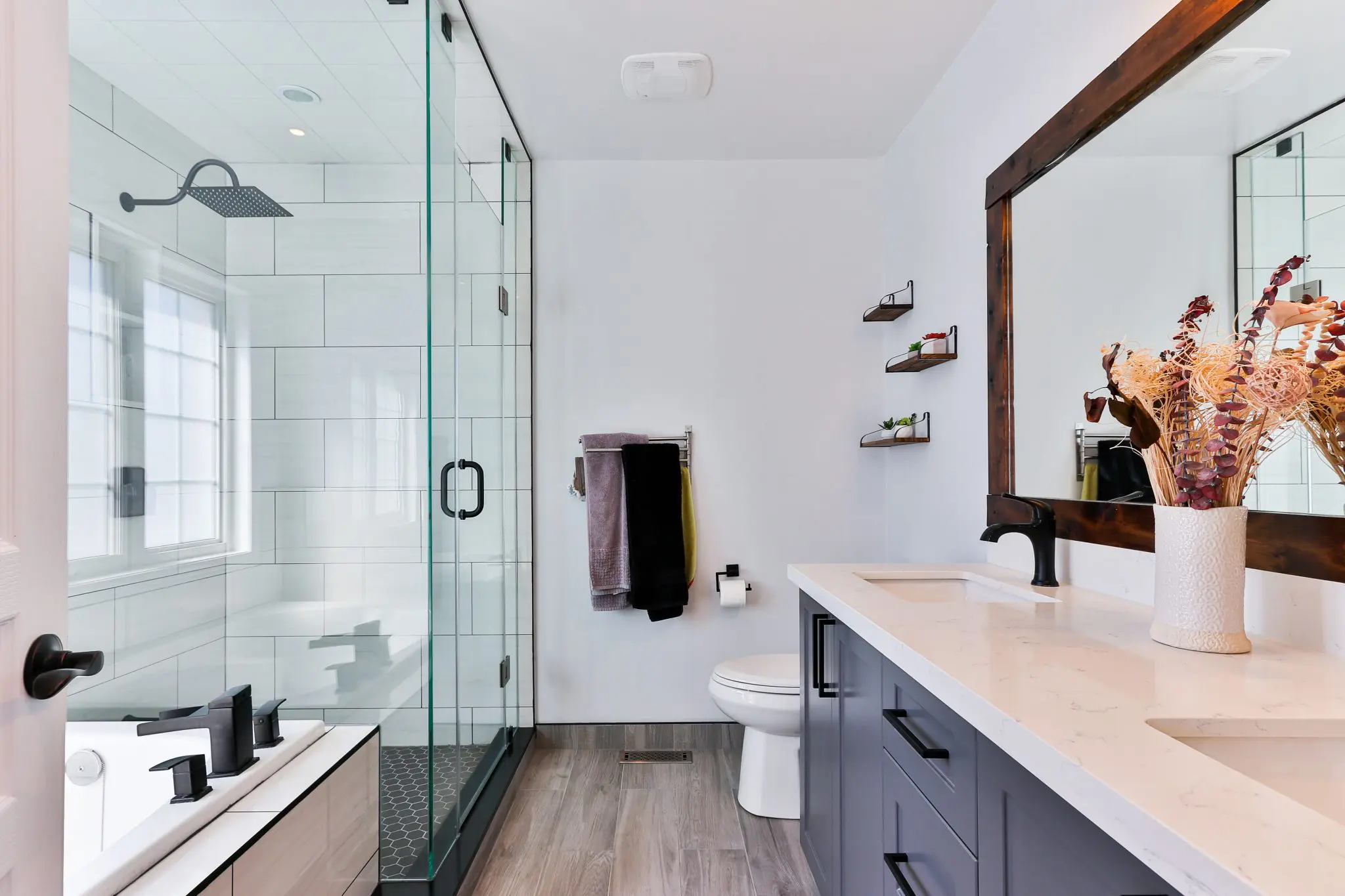
A properly executed bathroom or kitchen renovation can make a major difference to how your home looks and functions. However, if plumbing is overlooked during the planning stage, your dream bathroom or kitchen can quickly become far more complicated and expensive than expected.
Before getting too far into your renovation, it’s a good idea to book a plumber during the planning stage to check the following.
1. Existing Plumbing Locations
One of the biggest considerations when planning a bathroom or kitchen renovation is where your plumbing is currently located and whether any pipes or fixtures will need to be moved to accommodate the new layout.
Your plumber can assess the location and condition of existing water supply pipes, sewer lines and drainage before work begins.
Keeping fixtures close to their existing plumbing locations can often make a renovation simpler. Moving a toilet, shower, bath or basin may require pipework to be extended or relocated, potentially adding extra work and cost to the project.
Having a plumber assess the proposed layout early can help identify these requirements before you finalise your renovation plans.
2. Access to Plumbing
Access is another important consideration when changing the layout of a bathroom, kitchen or laundry.
For elevated homes or properties with accessible subfloors, plumbers may be able to reach water and waste pipes from underneath the house. For homes built on concrete slabs or where plumbing is concealed inside walls and floors, accessing and relocating pipework can be more complicated.
If plumbing needs to be accessed from above, sections of flooring or walls may need to be removed so the new water supply and waste connections can be installed.
Understanding how the plumbing will be accessed before construction begins helps everyone involved in the renovation plan the work in the correct order.
3. Toilet Relocation
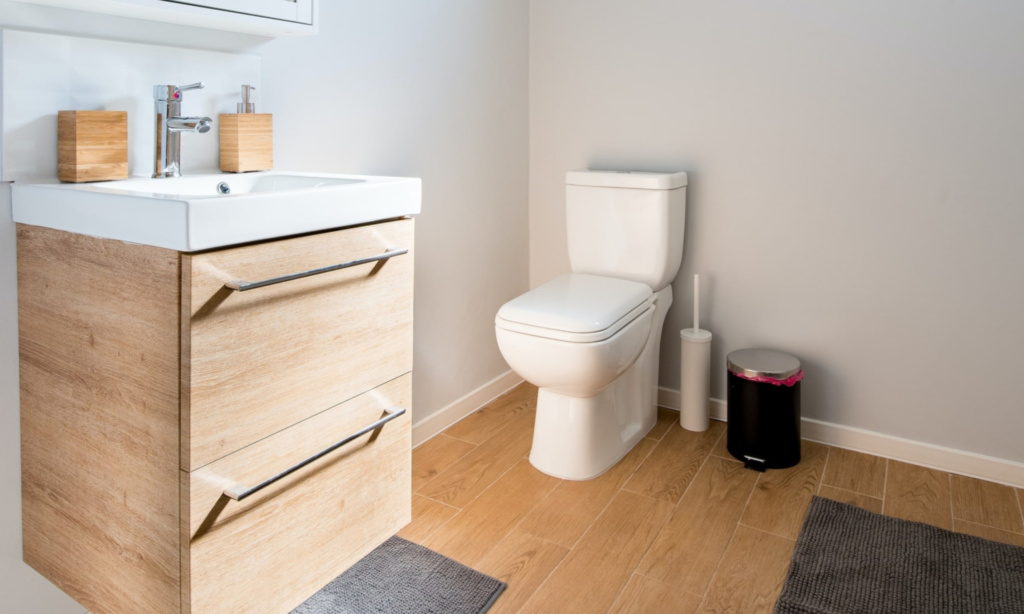
Moving a toilet can be considerably more involved than simply installing a new one in the same position.
Your plumber will need to consider the location of the existing waste pipe, the type of toilet being installed and the construction of the floor beneath it.
In homes with a concrete slab, relocating the toilet may require sections of concrete to be cut so the sanitary drainage can be repositioned. Any work that affects an existing termite management system may also need to be appropriately addressed.
For homes with suspended timber floors, access may be easier, although sections of flooring may still need to be removed and pipework relocated underneath the house.
Planning the toilet position with your plumber before renovation work starts can help avoid unexpected problems once floors and walls have already been opened up.
4. Plumbing Approvals and Notifiable Work
Bathroom and kitchen renovations in Queensland can involve regulated plumbing and drainage work, so it’s important to use an appropriately licensed plumber.
Under Queensland’s current plumbing regulations, most plumbing and drainage work carried out as part of renovations to existing homes is classified as notifiable work. This can include altering existing pipework or installing and relocating fixtures such as toilets, showers, basins and kitchen sinks.
Unlike permit work, notifiable plumbing work generally does not require local government approval before work begins. Instead, the licensed plumber or drainer carrying out the work is responsible for registering the required Form 4 with the Queensland Building and Construction Commission (QBCC).
Some projects can still require permits, building approvals or other approvals depending on the property and scope of work. Renovations to apartments and more complex plumbing systems can also have additional requirements.
Your plumber can identify what category your planned work falls into and advise you of any plumbing approvals or notifications required before the renovation progresses.
5. Waste Movement and Drainage
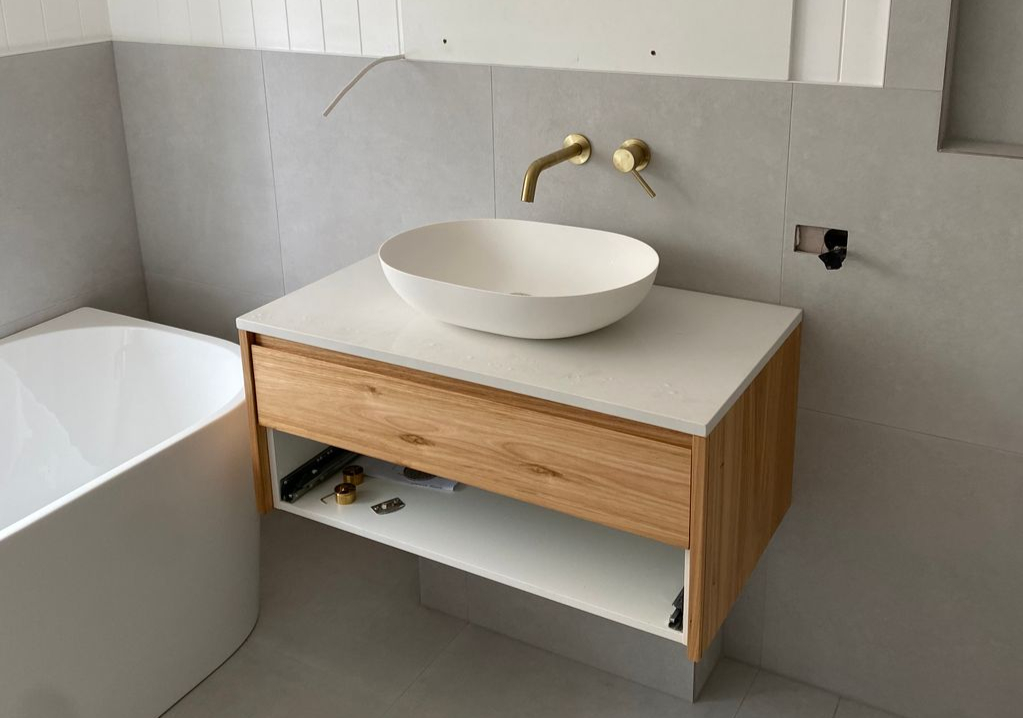
Waste movement and drainage are major considerations when renovating a bathroom.
Every toilet, shower, bath and basin needs to connect correctly to the property’s sanitary drainage system, so changing the location of these fixtures can affect the amount of plumbing work required.
A plumber can determine where your existing waste pipes are located and whether the proposed design requires new or relocated drainage.
Depending on the property, this could involve cutting existing concrete, accessing plumbing beneath the floor or excavating outside the home to connect new pipework to the existing drainage system.
Planning this before construction begins can help prevent expensive changes later in the project.
6. Choosing Taps, Fixtures and Water-Saving Products
A plumber can also provide practical advice when choosing and positioning the fixtures for your renovation.
This includes considering the appropriate position and height of taps, shower outlets and other plumbing fixtures as well as whether your chosen products are compatible with the property’s existing plumbing and water pressure.
It’s also a good opportunity to consider water-efficient fixtures such as water-saving showerheads and taps. Choosing efficient products can reduce unnecessary water use and help you save on your water bill without compromising how your new bathroom functions.
Speak to a Plumber Before You Start Renovating
Once construction has started, making changes to plumbing can become significantly more difficult.
Getting a licensed plumber involved during the planning stage can help you understand what’s possible, identify plumbing and drainage requirements and coordinate the work with the rest of your renovation.
Whether you’re changing a bathroom layout, relocating fixtures or completing a larger renovation, planning the plumbing from the beginning can help you avoid unnecessary delays, additional work and unexpected costs.
If you’re planning a bathroom or kitchen renovation on the Gold Coast, contact DCM Plumbing to discuss your project with our team.